Offshore drilling presents one of the harshest environments for solids control systems. Space limitations, constant motion,and high drilling fluid volumes require equipment that is both compact and reliable. An efficient solids control strategy can drastically reduce mud costs,improve environmental compliance, and enhance the overall performance of offshore rigs. In this article, we break down the fundamentals of offshore solids control,
focusing on shaker screen selection, system integration, and best operational practices.
1. Challenges of offshore solids control Limited deck space and weight restrictions Corrosive saltwater environment Need for efficient separation to minimize waste discharge
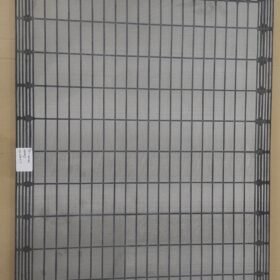
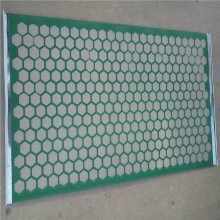
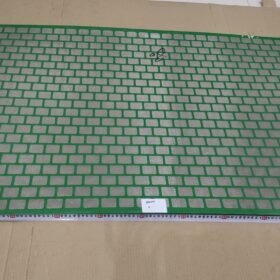
2. Selecting the right shaker screens Importance of stainless steel and composite frame screens for corrosion resistance
Proper mesh sizing for offshore drilling mud characteristics
3. System integration for efficiency
Combining shakers, desanders, desilters, and centrifuges for staged solids removal.
4. Operational maintenance
Routine screen inspection, tension adjustment, and fluid loss monitoring to ensure continuous uptime.
5. Environmental and cost benefits
Optimized solids control reduces disposal costs and improves fluid recycling, making offshore drilling cleaner and more profitable.
An efficient offshore solids control system depends on reliable equipment and precise screen selection.
Investing in high-quality shaker screens not only protects the drilling fluid system but also ensures compliance,
sustainability, and long-term cost control in offshore operations.