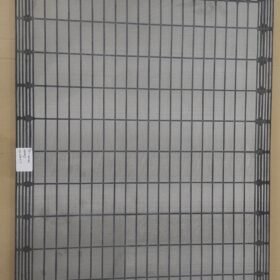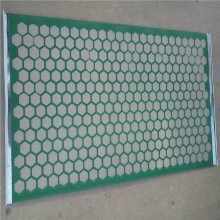
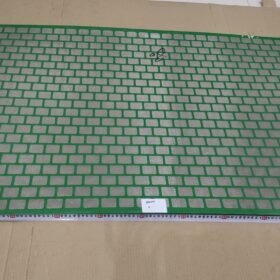
Composite shaker screens have revolutionized solids control systems by combining strength, lightweight design, and longer lifespan. In the past,
traditional steel-framed screens dominated the oilfield market, but their heavy structure and limited corrosion resistance often increased maintenance costs.
With composite materials, drilling operators now experience easier handling, better resistance to harsh drilling fluids, and consistent separation performance.
This article examines the evolution of composite shaker screens, how they compare to legacy steel types, and why they have become a preferred choice across the oil and gas industry.
1. Material innovation in screen design**
Composite frames combine glass fiber and high-grade polymer, offering excellent corrosion resistance and lighter weight without compromising strength.
2. Performance improvements**
Better vibration absorption, stable mesh tension, and reduced risk of delamination lead to higher separation efficiency and extended screen life.
3. Operational benefits**
Easier to install and remove
Lower transport and replacement costs
Enhanced safety for operators during maintenance
4. Cost-effectiveness and sustainability**
Longer screen life reduces waste and replacement frequency, supporting sustainable drilling operations.
5. Future outlook**
Continuous innovations in bonding technology and composite structure will further optimize flow capacity and cuttings removal.
Composite shaker screens mark a significant advancement in drilling efficiency and cost reduction. By adopting these lightweight yet durable designs,
operators can achieve stable performance even under extreme drilling conditions—paving the way for more sustainable and productive oilfield operations.