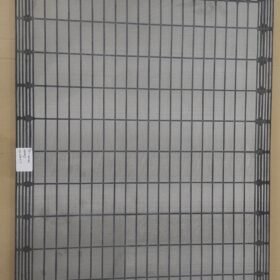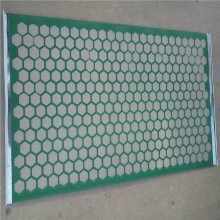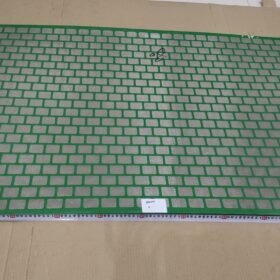
Efficient solids control depends not only on high-quality shaker screens but also on proper field maintenance. In drilling and HDD projects,
screen failure can quickly disrupt operations and increase mud processing costs. To maintain stable fluid performance,
field operators must perform regular inspections and timely screen replacements.
This guide provides step-by-step advice for effective screen maintenance and installation,
helping your team reduce downtime and ensure smooth drilling performance.
1. Daily inspection checklist
Check for mesh tears, sagging, and blocked openings.
Monitor vibration frequency and screen tension.
2.Cleaning and storage procedures
Rinse with low-pressure water or soft brushes to remove residue.
Dry screens completely before storage to prevent corrosion.
* Store in a flat, shaded area to avoid frame deformation.
3. Proper replacement process
Shut down vibration before removing old screens.
Clean deck area and apply sealing gaskets correctly.
Install new screens firmly and check locking clamps.
4. Troubleshooting common problems
Premature failure: may result from improper installation or excessive feed load.
Low fluid throughput
indicates blocked mesh or worn wire.
Vibration imbalance: could be due to uneven screen tension or damaged frame.
5. Training and documentation
Operators should record every replacement cycle.
Training on correct screen handling improves both safety and equipment reliability.
Field maintenance of shaker screens is a vital part of drilling operations. By following proper inspection, cleaning,
and replacement procedures, teams can maintain peak solids control efficiency, minimize equipment wear, and extend screen lifespan.