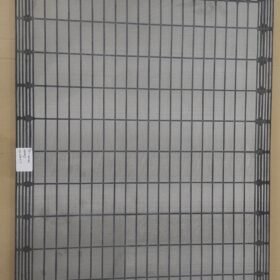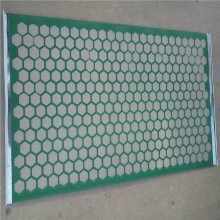
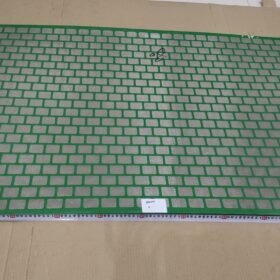
Stainless steel shaker screens are essential components in the solids control system, especially for demanding drilling and construction environments.
Their resistance to corrosion, heat, and mechanical wear makes them ideal for long-term use in oilfield, HDD, and mining applications. However,
even the most durable screens require proper management to maximize lifespan and performance.
This article discusses the key factors affecting stainless steel screen longevity, including material selection, handling techniques, and operation optimization.
1. Material and design advantages
Stainless steel offers superior corrosion resistance compared to mild steel or carbon steel.
Wire diameter and mesh weaving pattern influence strength and filtration accuracy.
2. Operational factors influencing wear
Overloading with excessive solids accelerates wire fatigue.
Improper vibration settings can cause mesh cracking or frame distortion.
3. Maintenance and handling practices
Always inspect for tension uniformity before installation.
Clean screens immediately after each use to prevent particle adhesion.
Avoid high-pressure washing that could deform the mesh.
4. Corrosion prevention
Use compatible drilling fluids—avoid chloride-rich solutions.
Apply protective coatings or corrosion inhibitors when operating in high-salinity areas.
5. Cost-performance optimization
Balancing mesh size and durability helps reduce overall operating cost.
Replacing screens on schedule prevents costly downtime due to unexpected failure.
The longevity of stainless steel shaker screens depends on more than just material quality. Proper handling, cleaning,
and vibration control can significantly extend service life, ensuring consistent solids control and reducing total project costs.