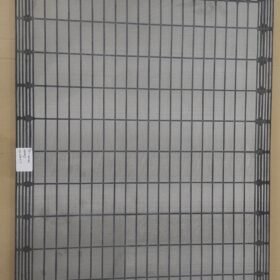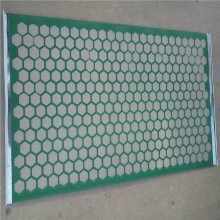
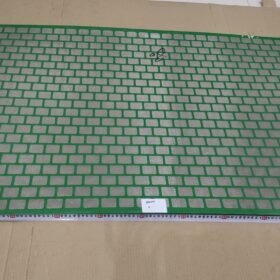
Every HDD project brings unique geological and operational challenges—ranging from soft clay to compact rock formations.
These differences demand careful selection of shaker screen mesh size to ensure effective solids removal. Using the wrong mesh can lead to excessive fluid losses or inefficient separation,
both of which increase downtime. This article offers practical guidance on how to evaluate soil conditions, select appropriate mesh configurations,
and optimize your HDD shaker screen setup for superior performance.
1. Understanding HDD drilling fluids and solids
Fluids stabilize the borehole and transport cuttings; screens separate solids from returning mud.
2. Mesh size selection principles
Fine mesh (API 120 – 200) for soft soils; coarse mesh (API 40 – 80) for gravel or rock.
Balance between fluid throughput and particle capture.
3. Material durability
Stainless-steel wire mesh resists abrasion and heat; composite frames reduce vibration fatigue.
4. System optimization
Adjust screen angle, vibration speed, and feed flow for consistent performance.
5. Maintenance practices
Inspect for tears and tension loss daily; proper storage extends screen life.
Selecting the right mesh size for HDD shaker screens is both a technical and economic decision. A well-matched mesh improves drilling stability,
reduces mud consumption, and ensures reliable solids control across diverse trenchless environments.