As environmental standards tighten worldwide, HDD contractors are increasingly adopting sustainable drilling practices.
One of the most effective ways to reduce waste is through efficient mud recycling, enabled by high-performance shaker screens.
By filtering and reusing drilling fluids, companies can significantly lower water consumption, disposal volume, and operating expenses.
This article explores how advanced shaker screens and modern recycling systems contribute to greener and more cost-effective HDD operations.
1. The role of shaker screens in recycling systems
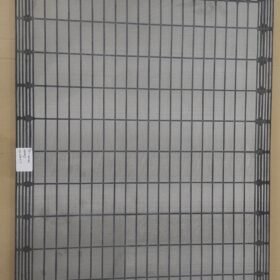
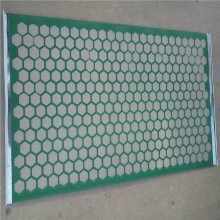
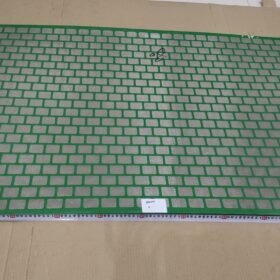
First stage of solids removal—crucial for protecting downstream equipment like desilters and centrifuges.
2. Environmental and cost benefits
Reduces fluid waste by up to 70%.
Lowers carbon footprint through minimized transportation of waste slurry.
3. Technological improvements
Multi-layer mesh for finer separation.
Composite frames resistant to corrosion and chemical degradation.
4. Operational best practices
Continuous monitoring of fluid quality and screen condition.
Scheduled screen rotation to maintain efficiency.
5. Regulatory compliance and sustainability goals
Aligning solids control with ISO 14001 and ESG reporting standards.
Sustainable HDD drilling starts with efficient solids control. By integrating recyclable mud systems and durable shaker screens,
operators achieve both environmental compliance and long-term cost savings—proving that responsible drilling can also be profitable.