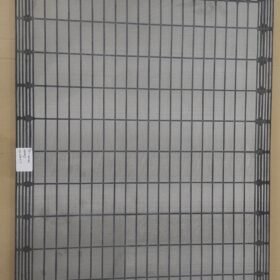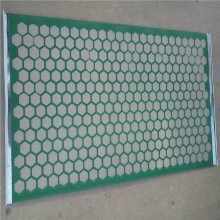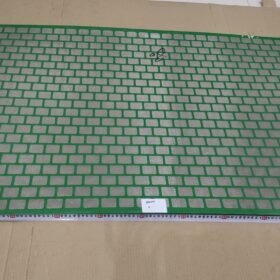
Effective drilling fluid management depends largely on the performance of the shaker screen.
As the first line of defense in the solids control system, the screen’s role is to separate cuttings from the circulating fluid,
maintaining mud properties and protecting downstream equipment.
Inadequate screen selection or maintenance can lead to significant financial and operational losses.
This article explores how shaker screens directly influence fluid efficiency and overall drilling performance.
1. Role of shaker screens in fluid recovery
Proper screening minimizes the loss of drilling fluid while removing solids effectively.
This helps maintain optimal viscosity, density, and flow characteristics.
2. Economic advantages
Efficient solids removal reduces mud costs and environmental disposal expenses.
Lower wear on pumps, desanders, and centrifuges extends equipment lifespan.
3. Screen quality and maintenance
Damaged or clogged screens lead to higher mud dilution and downtime.
Regular inspections and timely replacements ensure stable performance.
4. Choosing the right screen for drilling conditions
For high-density mud, stronger and finer mesh screens offer better separation.
For HDD or offshore operations, corrosion-resistant composite screens are preferred.
5. Environmental and operational outcomes
Proper mud management reduces contamination risk.
Improved drilling fluid recycling lowers operational footprint.
Shaker screens are the cornerstone of drilling fluid management. By optimizing screen selection and maintenance,
companies can improve efficiency, reduce costs, and meet both operational and environmental goals.