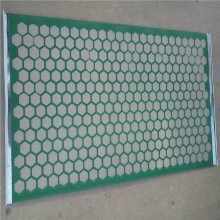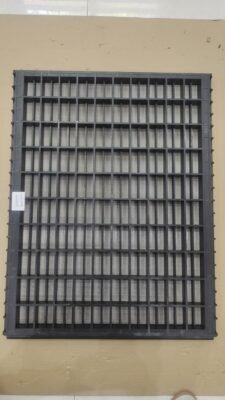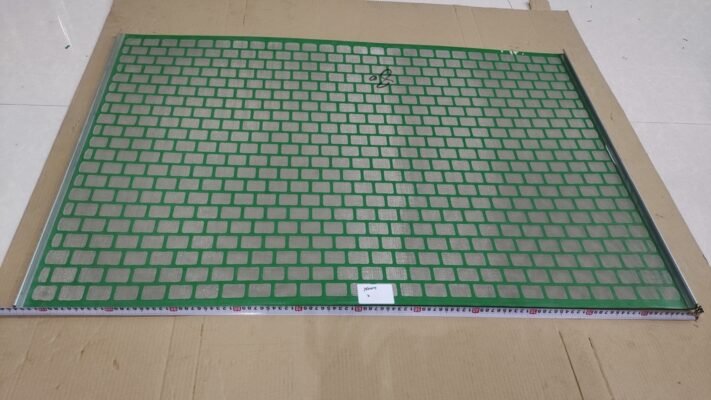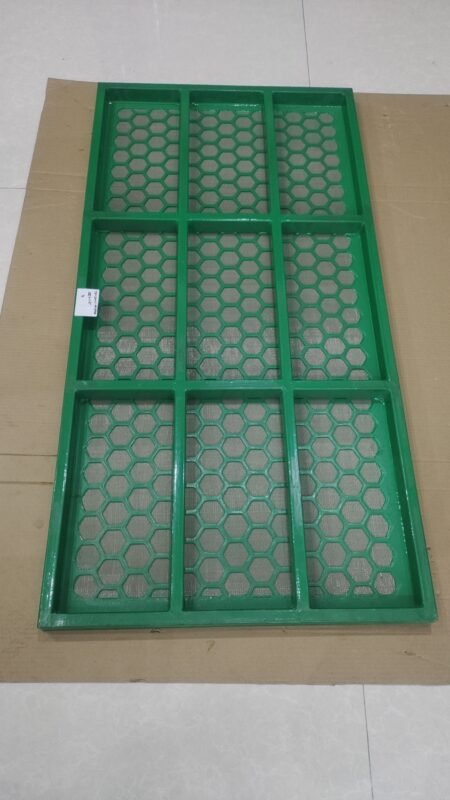
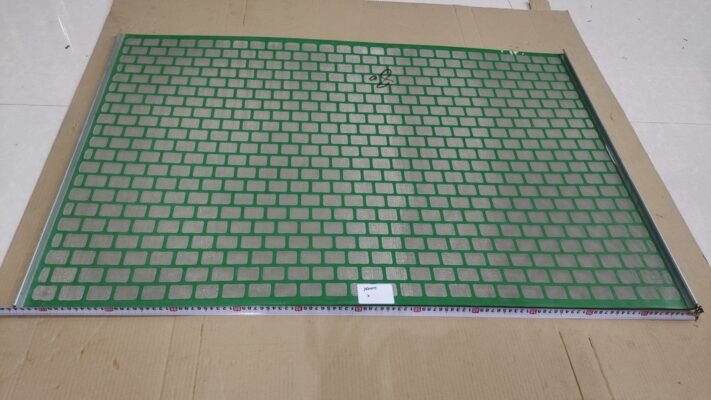
How to Choose the Right Petroleum Drill Vibration Sieve Network for Optimal Performance

Key Considerations for Selecting the Best Shale Shaker Screens for Drilling Operations

Choosing the right petroleum drill vibration sieve network is essential for optimal performance in drilling operations.
The sieve you select directly affects the efficiency of separating particles and filtering debris during the drilling process.
To ensure high productivity, consider the following key factors when selecting your shale shaker screens:

Particle Size: Choose a sieve based on the size of the particles you need to separate.
Material Type: The type of material being sieved, whether mud or rock cuttings, affects the sieve mesh.
Throughput Rate: Determine the desired throughput rate for efficient processing.
Type of Drill: The type of drilling equipment being used will influence sieve selection.
Vibration Type: The vibration system (linear or orbital) plays a crucial role in performance.
Selecting the appropriate sieve ensures smooth operations and maximizes drilling efficiency.

Maximizing the Service Life of Stainless Steel Shaker Screens

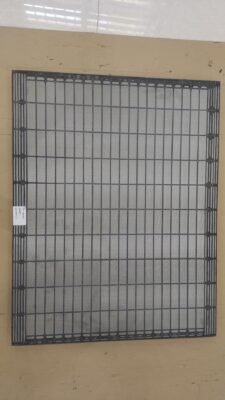
Optimizing Shaker Screen Performance in Offshore Drilling Environments

Offshore drilling operations present some of the harshest working environments on earth—high humidity,
salt corrosion, and intense vibration all challenge the performance of shaker screens.
Selecting and maintaining screens suitable for marine conditions is key to preventing downtime and maintaining drilling efficiency.
This article outlines best practices for optimizing shaker screen performance offshore, focusing on material selection, corrosion control, and maintenance strategy.

**Body (≈650 words):**
Read More »

The Impact of Shaker Screens on Drilling Fluid Management Efficiency

Effective drilling fluid management depends largely on the performance of the shaker screen.
As the first line of defense in the solids control system, the screen’s role is to separate cuttings from the circulating fluid,
maintaining mud properties and protecting downstream equipment.
Inadequate screen selection or maintenance can lead to significant financial and operational losses.
This article explores how shaker screens directly influence fluid efficiency and overall drilling performance.

Read More »
eco-friendly drilling equipment, HDD drilling, horizontal directional drilling, HDD solids control, shaker screens, API Q1 certified shaker screen, high filtration shaker screen, drilling mud management, HDD contractors, HDD mud recycling system, solids control solutions

Understanding API Standards and Their Role in Shaker Screen Selection

Consistency and accuracy in solids control are essential for every drilling operation. To ensure uniform quality and performance,
the American Petroleum Institute (API) established a global standard—**API RP 13C**—for classifying shaker screens.
This standard allows operators and suppliers to communicate clearly about screen cut point, conductance,
and separation performance. Understanding API standards is vital to selecting the right shaker screen and optimizing the solids control process.

Read More »

Field Maintenance and Replacement Guide for Shaker Screens

Efficient solids control depends not only on high-quality shaker screens but also on proper field maintenance. In drilling and HDD projects,
screen failure can quickly disrupt operations and increase mud processing costs. To maintain stable fluid performance,
field operators must perform regular inspections and timely screen replacements.
This guide provides step-by-step advice for effective screen maintenance and installation,
helping your team reduce downtime and ensure smooth drilling performance.

Read More »