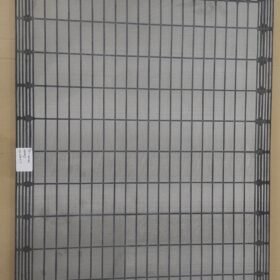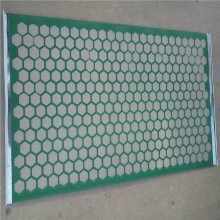
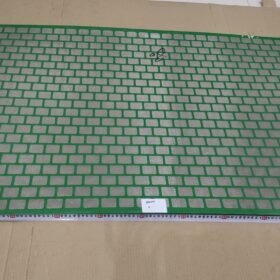
In the tough world of oilfield drilling, every minute of downtime and every barrel of lost drilling fluid counts.
When operations stall due to inefficient solids removal or poor screen performance, the cost quickly multiplies.
For manufacturers and service providers alike, choosing the right shaker screen solution is no longer a nice-to-have—it’s a strategic imperative.
This article explores how cutting-edge shaker screen designs, optimized mesh configurations,
and rigorous quality controls can transform your drilling efficiency and bring tangible savings to your operations.
1. The role of shaker screens in drilling fluid management
* Explanation of how drilling fluids carry cuttings and how screens separate solids from fluid
* Impact of inadequate screen performance: increased mud losses, more frequent replacements, higher costs
2. Mesh configuration and flow dynamics
* How mesh size (mesh per inch, conductance rating) affects separation efficiency
* The trade-off between finer mesh (better solids capture) and open area (higher throughput)
3. Quality and durable materials in screen construction
* Importance of frame strength, bonding quality, multi-layer mesh design
* How reliable screen life leads to fewer changeouts and less non-productive time
4. Case-study perspective (generic)
* Example scenario: a drilling contractor reduces screen replacement frequency by 30% and saves on mud fluid losses
5. Strategic supplier selection
* What to look for: manufacturing standards, testing protocols, spare part availability
* How aligning with a technical-capable supplier adds value beyond the product
Selecting the optimal shaker screen solution is more than a procurement decision—it’s a performance investment.
With the right technology and supplier partnership, you can boost drilling fluid recovery, extend screen life,
nd reduce operational costs. Stay ahead by prioritizing quality, engineering insight, and strategic alignment.