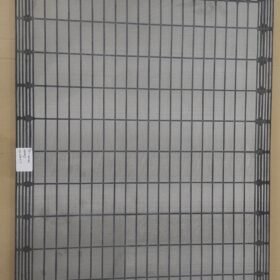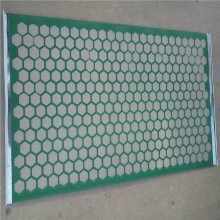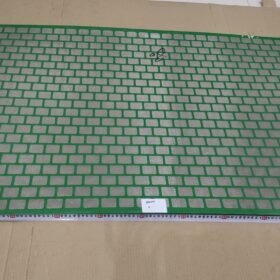
Selecting the right shaker screen is not simply about matching dimensions—it’s about achieving the perfect balance between mesh size,
material strength, and system compatibility. The wrong screen can cause poor solids control, fluid loss, or mechanical failure.
In this article, we break down the key factors that influence screen selection, including mesh configuration, material type,
drilling fluid properties, and vibration frequency, helping you choose the best screen for your drilling environment.
1. Understand your drilling requirements
Determine the type of solids to be removed and their size distribution.
Choose the mesh count based on the API screen number that fits your fluid type.
2. Compatibility considerations
Always match screen dimensions and locking mechanisms with the shaker brand.
Check frame design—hook strip, frame-type, or composite—to ensure correct fit.
3. Material selection
Stainless steel wire offers corrosion resistance and mechanical strength.
Composite materials reduce weight and provide longer fatigue life.
Avoid carbon steel in corrosive or offshore environments.
4. Mesh configuration and fluid capacity
Fine mesh increases filtration accuracy but may reduce flow rate.
Layered meshes improve both efficiency and durability.
5. Performance testing and maintenance
Regularly inspect screen tension and replace damaged meshes immediately.
Record performance data to identify optimal screen types for future wells.
Choosing the right shaker screen is crucial for drilling success. By evaluating mesh size, material, and compatibility,
you can achieve efficient solids separation, extend equipment life, and lower operational costs.
Smart screen selection translates to stable fluid systems and higher productivity in every drilling operation.