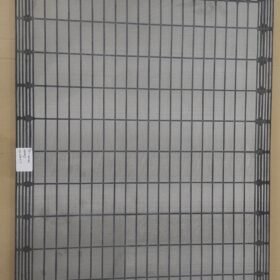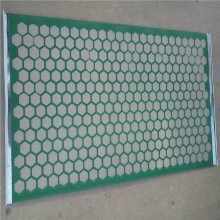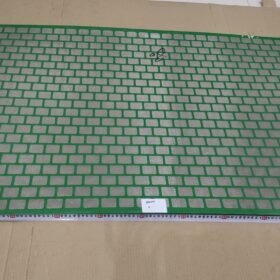
Composite shaker screens are becoming the new industry standard in oilfield and HDD drilling operations.
By combining metal wire mesh with a polymer composite frame, these screens offer enhanced strength,
reduced weight, and longer service life. As drilling environments grow more demanding, composite screens
provide an effective solution to increase solids control efficiency while lowering maintenance and transportation costs.
This article explores the key benefits of composite shaker screens, including their structure, performance advantages, and operational impact.
1. Structural innovation
Composite frames are lighter yet stronger than traditional steel ones.
The polymer base resists corrosion and eliminates welding weaknesses.
Precision molding ensures consistent tension and better fit with the shaker deck.
2. Performance improvement
Reduced vibration fatigue extends the lifespan of both screen and equipment.
Lightweight design enables easier installation and replacement.
Enhanced mesh bonding prevents delamination under high load.
3.Operational efficiency
Lower transport weight reduces logistics cost and energy use.
Composite materials handle high G-force conditions without structural distortion.
Improved heat resistance supports long-term performance in hot climates.
4. Environmental and safety benefits
Corrosion-free operation reduces waste and replacement frequency.
Safer handling—no sharp edges or heavy lifting required.
5. Economic benefits
Though initial cost is slightly higher, total life-cycle cost is significantly lower.
Downtime reduction and extended use cycles increase project profitability.
Composite shaker screens represent a modern upgrade in solids control technology.
Their high strength, lightweight design, and corrosion resistance make them ideal for long-term drilling projects.
Adopting composite screens means greater efficiency, lower costs, and enhanced operational reliability.