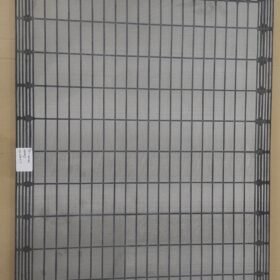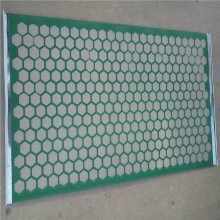
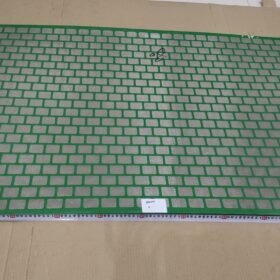
Offshore drilling operations present some of the harshest working environments on earth—high humidity,
salt corrosion, and intense vibration all challenge the performance of shaker screens.
Selecting and maintaining screens suitable for marine conditions is key to preventing downtime and maintaining drilling efficiency.
This article outlines best practices for optimizing shaker screen performance offshore, focusing on material selection, corrosion control, and maintenance strategy.
1. Environmental challenges offshore
Constant exposure to seawater leads to rapid metal oxidation.
Vibration and pressure fluctuations accelerate mechanical wear.
2. Material selection for durability
Stainless steel 316 and composite frames resist corrosion effectively.
Rubber-sealed edges prevent leakage and frame damage.
3. Vibration and tension optimization
Proper screen tension prevents premature fatigue.
Using high-G shakers requires matching screen conductance to avoid overload.
4. Maintenance best practices
Clean screens regularly with low-pressure water to prevent salt buildup.
Keep spare screens stored in dry, temperature-controlled conditions.
5. Long-term operational gains
Fewer replacements reduce logistics costs and safety risks.
Consistent fluid control supports better wellbore stability and faster drilling.
In offshore drilling, optimizing shaker screen performance is essential for reliability and cost control.
Through corrosion-resistant materials, proper maintenance, and smart tension management, operators can maximize productivity and ensure long-lasting efficiency at sea.