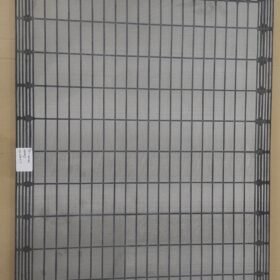
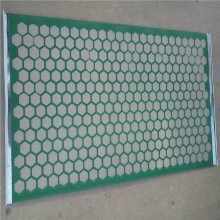
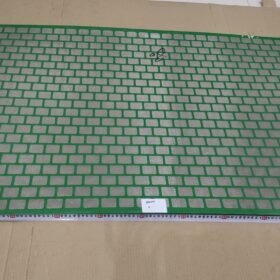
In the global oil and gas industry, performance consistency and equipment interchangeability are essential.
The API (American Petroleum Institute) shaker screen standard was developed to help operators and suppliers align on quality and performance.
Whether in an onshore or offshore project, API-rated screens provide predictable results that improve drilling reliability and efficiency.
This article explains what API shaker screens are, why the standard matters, and how to choose the right API mesh size for your operations.
1.The background of API RP 13C standard
Developed to unify screen labeling and performance measurement
Helps compare screens by cut point and conductance values
2. Advantages of using API-certified screens
Consistent particle separation
Reliable performance tracking
Easier procurement and inventory management
3. Choosing the right API rating
API 40–60 for coarse separation; API 120 + for fine solids
Match screen size to fluid viscosity and drilling speed
4. Maintaining API compliance
Regular screen inspection and documentation of cut-point performance
5. How API standards improve cost efficiency
Minimized non-productive time (NPT) Longer screen life and optimized mud recycling API shaker screens serve as the foundation for consistent, reliable solids control across diverse drilling operations.
By selecting and maintaining API-rated screens, companies can enhance productivity, reduce waste, and ensure compatibility within the global oilfield supply chain.